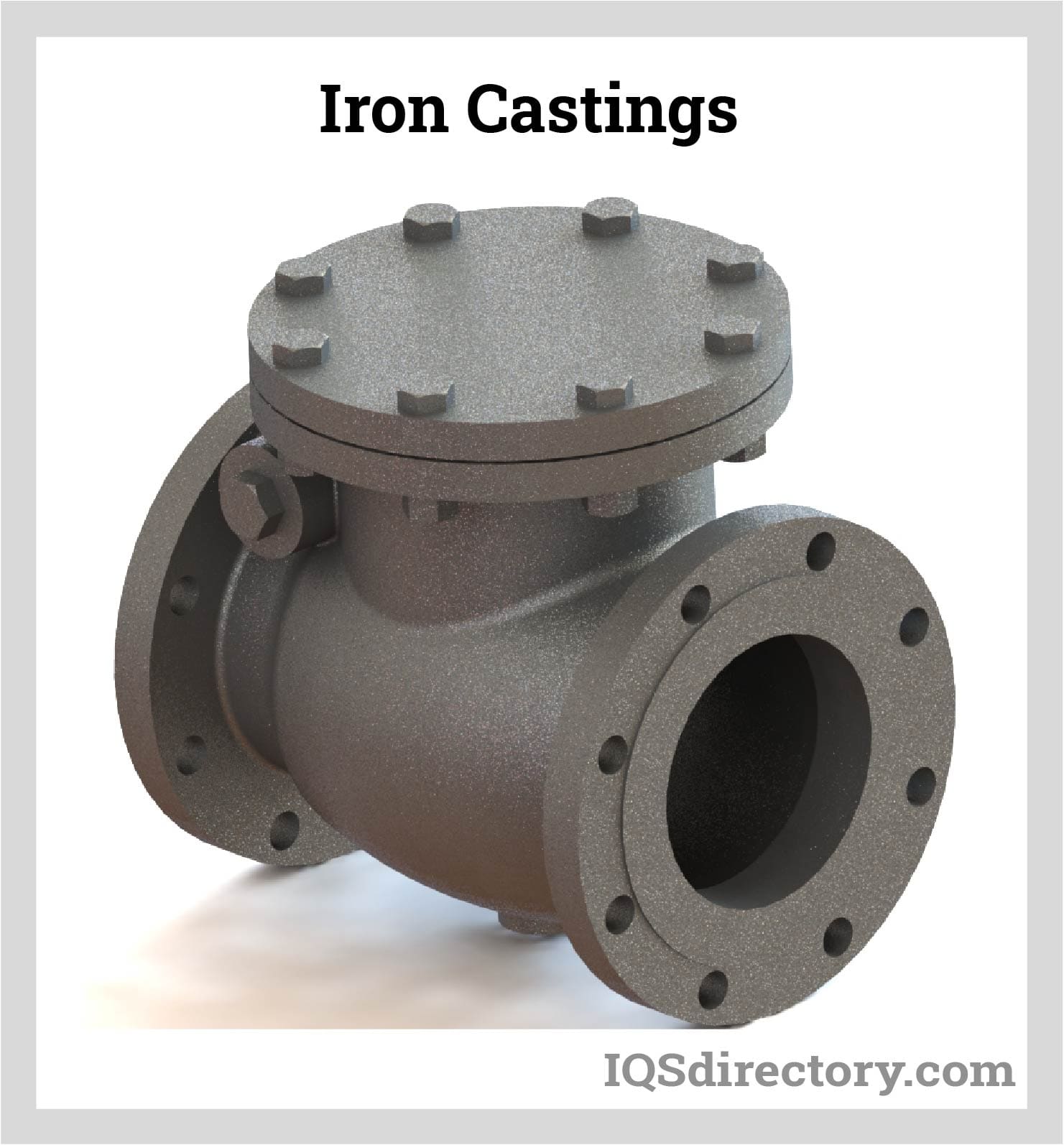
Iron and carbon are combined to create an iron casting, a hard material. Iron can be easily cast in a mold and has a higher carbon content than steel. The number typically ranges from 2 to 4.3 percent. After melting, the metal is poured into a mold. Wrought iron and cast iron are created in distinct ways because cast iron cannot be worked with hammers or other tools. Cast iron contains 1-3% silicon, 2-4% carbon, and other alloys, improving the liquid metal’s casting efficiency. Other compositional variations exist. Read More…
At Hallman Foundry, we specialize in the production of high-quality grey iron castings, bringing precision, consistency, and strength to each component we create. With decades of experience in foundry operations, we understand the unique properties of grey iron and harness our expertise to deliver castings that are both durable and meticulously crafted.

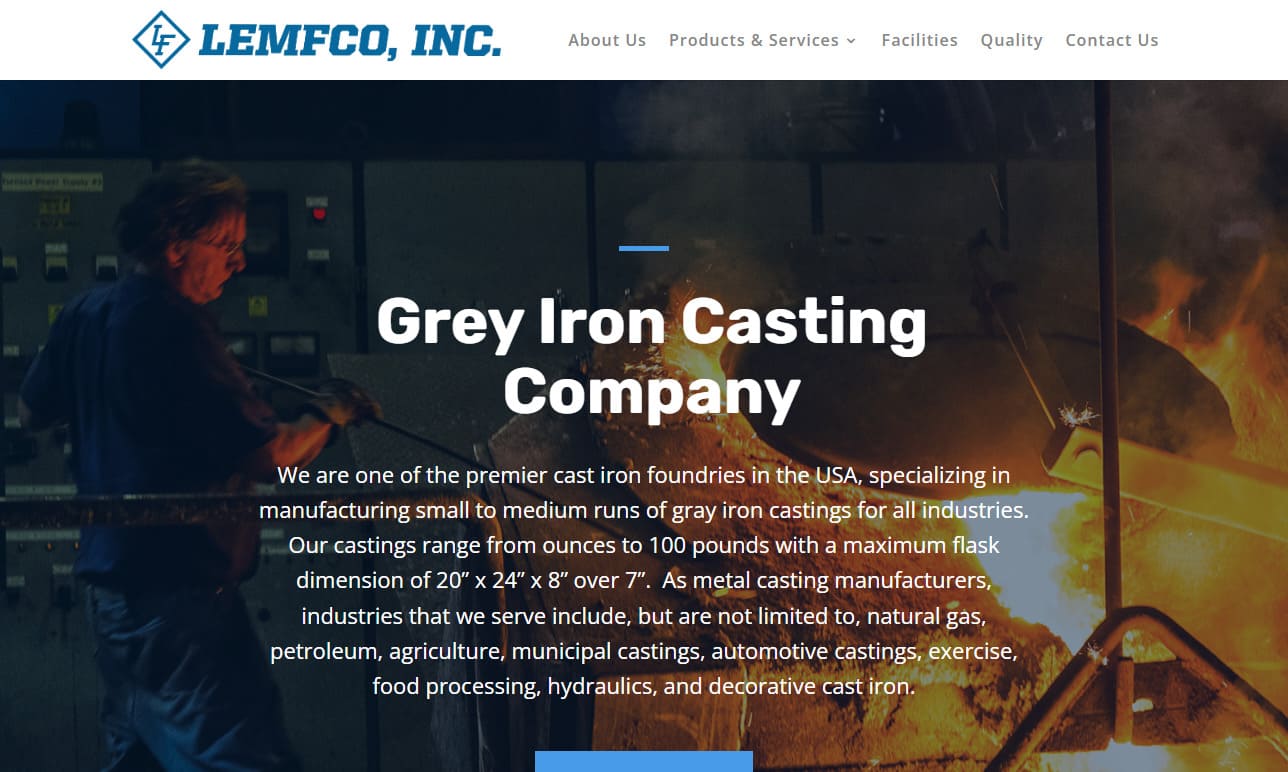
For over a century Lemfco has been a family business and leading manufacturer of high-quality grey iron castings. We pride ourselves on our extensive list of products and patterns available for our customers. Lemfco is committed to creating the best gray iron castings for our customers to fit all of their needs. Our company has changed throughout the years, but our commitment to quality never has.
Our gray iron castings are second to none. These high performance items are pre-tested for maximum customer satisfaction. We have a component staff that can easily handle your requests. Turn to Interstate Castings for the best gray iron castings. You will not be upset with the quality of items you receive. We look forward to working with your business. Give us a call today!
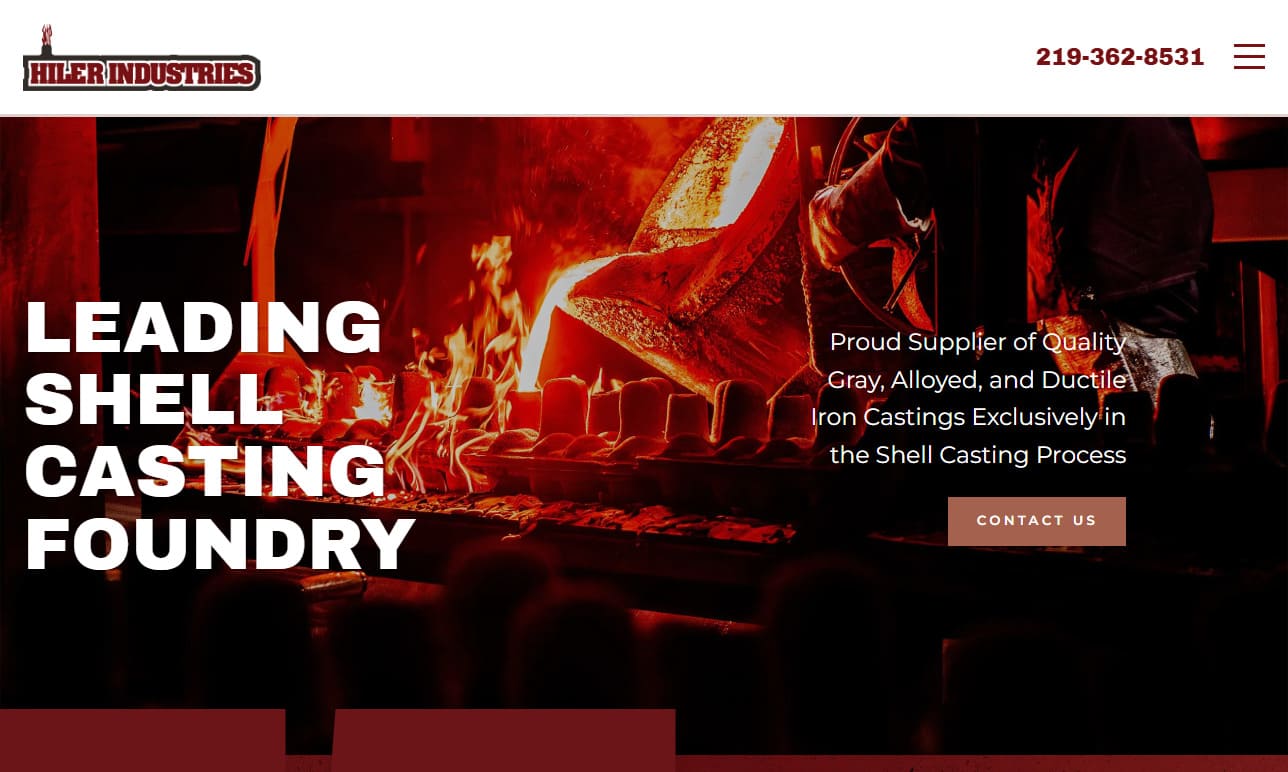
At Hiler Industries, we present ourselves as dedicated manufacturers of grey iron castings engineered to deliver strength, consistency, and long-term reliability for demanding industrial applications. We work with carefully controlled melt processes, high-quality raw materials, and disciplined foundry practices to produce castings that maintain uniform microstructure, predictable mechanical...
At St. Marys Foundry, Inc., we take immense pride in our longstanding tradition of crafting exceptional grey iron castings. With years of experience under our collective belt, we are renowned for our commitment to quality and precision in the production of these castings. Our products are a testament to our dedication to excellence. We specialize in the creation of grey iron castings that serve a ...


More Iron Casting Companies
Comprehensive Guide to Iron Casting: Properties, Manufacturing, Types, Applications, and Selection Advice
Iron casting is a time-honored metal casting process that remains at the heart of modern manufacturing and engineering. By melting and shaping iron, often with precise control over alloying elements and impurities, foundries produce robust, durable components for a wide range of industries. Understanding the chemistry, properties, types, and benefits of cast iron—as well as how to select the right iron casting manufacturer—can help engineers, procurement professionals, and buyers make informed decisions.
Curious about the iron casting process? Seeking to compare cast iron types for your project? Want to know how to select the best iron casting supplier? This guide covers all critical factors, from material composition and mechanical properties to practical applications and key purchase considerations.
The production of cast iron begins by reducing iron ore in a blast furnace, a high-temperature chemical reactor that removes oxygen from the ore and produces molten iron. This liquid iron is cast and poured, then solidifies to form crude ingots known as pigs. These pigs are remelted in cupola furnaces—often with scrap metal and additional alloying elements—then recast into molds to create a vast array of iron casting products.

Understanding Cast Iron Composition: Key Elements and Impurities
Cast iron is not a single material but a family of iron-carbon alloys with varying properties based on composition. While the primary constituent is iron, trace amounts of sulfur and phosphorus are typically present as impurities. The concentrations of silicon and manganese also fluctuate and play essential roles in determining the final material characteristics. The careful balance of these elements, along with controlled quantities of carbon (typically between 2%-4%), results in different types of cast iron, each optimized for specific casting applications.
In many iron foundries, the process of adjusting alloy composition is critical. Silicon, for example, promotes the formation of graphite during solidification, impacting the iron’s strength and machinability. Manganese can improve hardness and counteract the negative effects of sulfur. The presence of even small amounts of sulfur and phosphorus can influence the casting's brittleness and machinability, affecting suitability for demanding engineering applications.
Mechanical Properties of Iron Castings
When researching iron castings for sale or specifying custom iron casting services, it’s essential to understand the core mechanical properties that make cast iron such a versatile material:
- Hardness – The resistance of a material to abrasion and indentation, crucial for wear-resistant applications.
- Toughness – The ability of cast iron to absorb energy without fracturing, important for impact and shock resistance.
- Ductility – The capacity of cast iron to deform without breaking, a key factor for applications requiring flexibility.
- Elasticity – The material’s ability to return to its original dimensions after deformation, supporting resilience in cyclic loading.
- Malleability – The ability to flex under compression without rupturing, ideal for forming complex shapes.
- Tensile strength – The maximum longitudinal stress cast iron can withstand before failing, vital for load-bearing components.
- Fatigue strength – The highest stress a material can handle over a specified number of cycles without fracturing, essential for dynamic or repetitive loading scenarios.
How Iron Castings are Made: Step-by-Step Manufacturing Process
The iron casting manufacturing process involves several critical stages, each impacting the quality of the final product. Here’s a breakdown of how iron castings are typically produced:
- Melting and Alloying: Iron ore is melted in a blast furnace to produce pig iron. This pig iron is remelted, often blended with steel scrap, limestone (to remove impurities), and coke (carbon source). The melt’s composition is carefully adjusted to meet specific product requirements.
- Adjustment of Chemistry: Impurities such as sulfur and phosphorus are either burned off or controlled, but this can also reduce essential carbon content. Carbon and silicon levels are precisely adjusted depending on the intended use of the casting. These levels typically range from 2% to 3.5% for carbon and 1% to 3% for silicon. Additional alloying elements (such as nickel, chromium, or molybdenum) may be added to enhance specific properties.
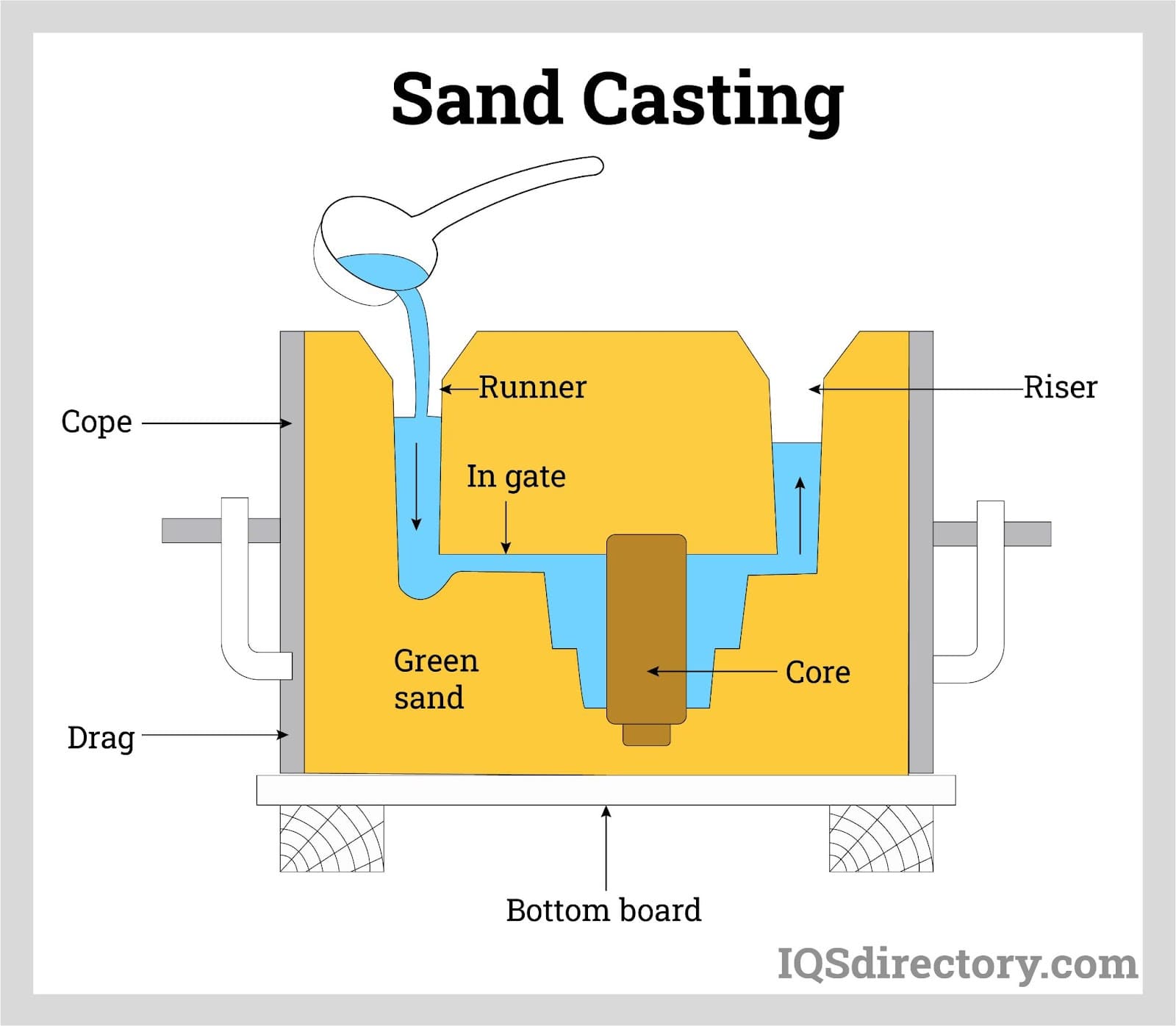
- Molding: The liquid metal is poured into a mold—a negative impression of the final desired shape. Molds are commonly made from sand, ceramic, or metal, depending on production scale and complexity.
- Pouring and Solidification: Metal is poured into the mold cavity via a sprue (a hollow tube). The casting is allowed to cool, solidifying into the desired form. Cooling rates and mold material influence the final microstructure and mechanical properties.
- Shakeout and Finishing: Once solidified, the casting is removed from the mold, and any excess material (such as gates, risers, and flash) is trimmed. Surface finishing, heat treatment, and inspection follow to ensure quality standards are met.
Curious about different metal casting techniques? Some of the most common iron casting methods include:
- Sand Casting: Ideal for large and complex shapes, sand casting uses expendable sand molds and is widely used for engine blocks, pipes, and heavy-duty industrial parts.
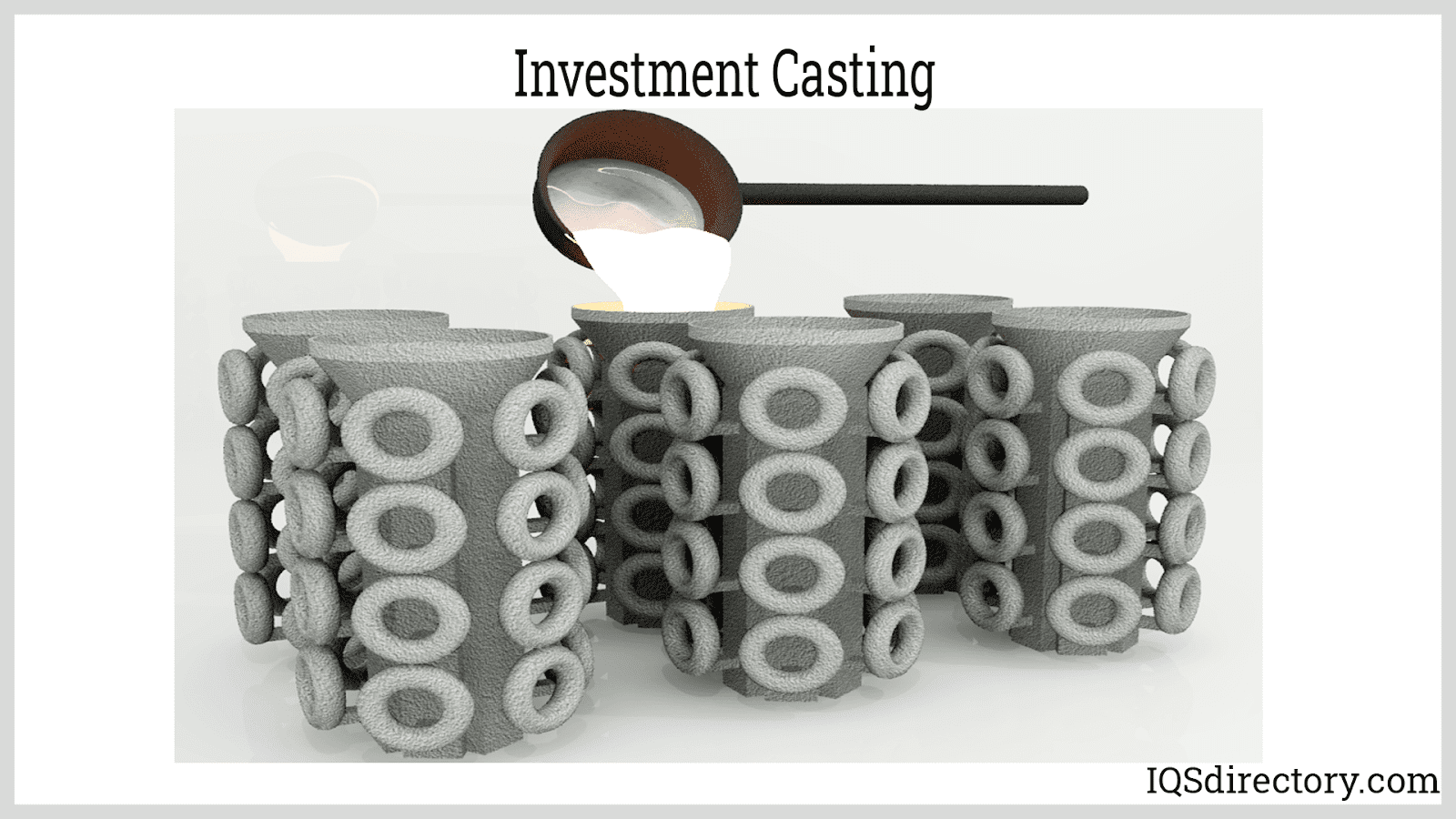
- Lost Wax Casting (Investment Casting): This precision process creates intricate shapes, commonly used for smaller or detailed components.
- Centrifugal Casting: Used for cylindrical parts, such as pipes and bushings, by spinning the mold at high speed to distribute molten metal outward.
- Vacuum-Assisted Direct Pour Casting: Improves metal flow and reduces porosity, ideal for high-integrity castings.
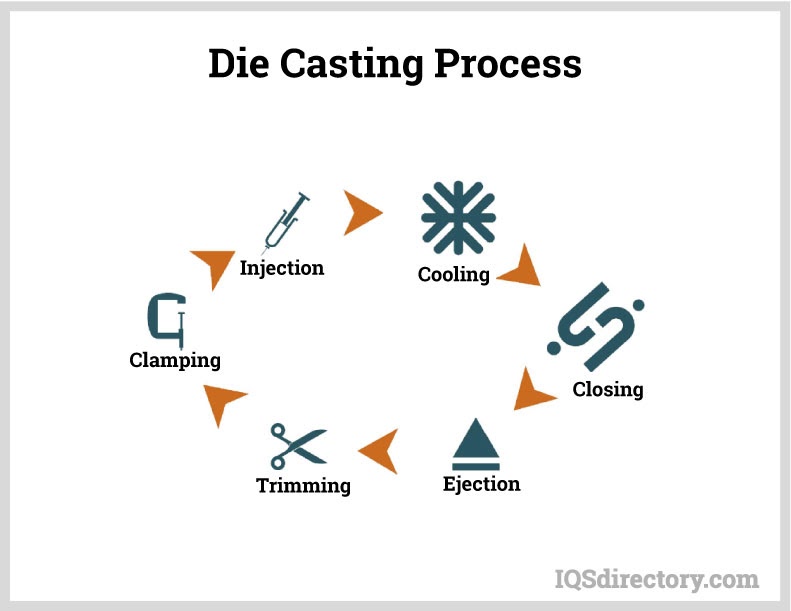
- Permanent Mold Casting and Die Casting: Suitable for high-volume production of uniform parts, such as gears and housings, using reusable molds.
Iron Casting Types: Which Is Right for Your Application?
Choosing the correct type of cast iron is crucial for performance, durability, and cost-effectiveness. Each variant offers unique mechanical and physical characteristics, making them suitable for particular industrial, automotive, and architectural uses.
Gray Cast Iron
Gray cast iron is the most widely used type of cast iron, easily identified by its gray, flaky graphite microstructure. These graphite flakes create weak points that give gray iron its characteristic appearance and high vibration damping capacity. Typical composition includes 2.5%–4% carbon, 1%–3% silicon, and the balance iron. Gray cast iron is renowned for its excellent machinability, thermal conductivity, and damping characteristics, making it ideal for:
- Engine blocks
- Machine bases and frames
- Pipe fittings
- Cookware (such as skillets and pans)
- Construction components
Malleable Iron
Malleable iron begins as white iron and is transformed through a controlled heat treatment process. Extended heating and slow cooling break down iron carbide molecules, releasing free graphite in the form of nodules. This unique microcrystalline structure yields a material that is tougher and more ductile than white iron, making it suitable for:
- Pipe connectors and fittings
- Automotive components (differential cases, brackets, yokes)
- Hand tools and hardware
- Railroad and heavy equipment parts
Ductile Iron Casting (Nodular Iron, Spheroidal Graphite Iron)
Ductile iron, also called nodular iron or spheroidal graphite iron, is engineered by adding magnesium or cerium to molten iron. This causes graphite to form in spherical nodules rather than flakes, dramatically improving ductility, toughness, and impact resistance without sacrificing strength. Ductile iron’s mechanical properties approach those of steel, making it ideal for:
- Pipes for water and sewage systems
- Automotive suspension and steering components
- Heavy-duty gears and crankshafts
- Wind turbine hubs and energy infrastructure
- Valves, pumps, and pressure-retaining parts

Other Specialized Cast Irons
- White Cast Iron: Hard and abrasion-resistant, used for wear plates, mill liners, and crushing equipment.
- Alloy Cast Irons: Enhanced with elements like nickel, chromium, or molybdenum for improved corrosion, heat, or wear resistance in demanding environments.
Common Applications of Iron Castings
Iron castings are found in virtually every major sector due to their strength, cost-effectiveness, and versatility. Frequent applications include:
- Piping Systems: Water, sewage, and gas pipes rely on ductile and gray iron castings for high pressure and durability.
- Machinery: Machine tool bases, frames, and housings benefit from iron casting’s vibration damping and structural integrity.
- Automotive Components: Engine blocks, cylinder heads, suspension arms, brake drums, and manifold castings use various iron alloys for specific performance characteristics.
- Cookware: Cast iron pans, skillets, Dutch ovens, and griddles are cherished for heat retention, even heating, and durability.
- Marine Hardware: Ship anchors, winches, and deck fittings leverage iron’s strength and resistance to corrosion (with special alloys).
- Construction: Manhole covers, architectural features, columns, and decorative railings.
- Energy and Infrastructure: Wind turbines, power plant components, and pressure vessels.
- Railroad and Heavy Equipment: Couplers, wheels, and agricultural machinery parts.

Benefits of Cast Iron: Why Choose Iron Casting?
There are many compelling reasons to choose cast iron for industrial, commercial, and consumer products. Key advantages include:
- Excellent Castability: Iron’s fluidity in the molten state enables the creation of complex shapes and intricate designs in a single casting process.
- Cost-Effectiveness: Iron and iron alloys are readily available, and the casting process is well-suited for mass production. The relatively low cost of foundry equipment and raw materials makes iron castings affordable, especially for large quantities.
- Superior Compression Strength: Cast iron delivers three to five times the compression strength of steel, making it ideal for load-bearing structures and heavy machinery.
- Machinability: Gray cast iron, in particular, is easy to machine, reducing lead times and overall production costs.
- Vibration Damping: Outstanding anti-vibrational properties make iron castings the preferred choice for machine tool bases, engine blocks, and other precision equipment.
- Wear and Abrasion Resistance: Iron castings exhibit high resistance to wear, making them suitable for moving parts and surfaces exposed to friction.
- Thermal Stability: Mechanical properties remain stable across a wide temperature range (20°C to 350°C), supporting high-temperature applications.
- Durability and Longevity: Cast iron products are known for their long service life and ability to withstand harsh environments.
- Low Notch Sensitivity: Cast iron’s structure reduces the risk of crack propagation, enhancing safety and reliability.
- Recyclability: Scrap cast iron can be remelted and reused, supporting sustainable manufacturing practices.
Decision Factors: How to Choose the Right Iron Casting Material and Supplier
When selecting an iron casting manufacturer or supplier, consider these key factors to ensure the best outcome for your project:
- Material Selection: Evaluate which type of cast iron—gray, ductile, malleable, or specialty alloy—best suits your application in terms of mechanical properties, machinability, and cost.
- Manufacturing Capability: Assess the foundry’s experience with your preferred casting method (e.g., sand casting, investment casting) and their ability to meet your specifications and tolerances.
- Quality Assurance: Look for manufacturers with robust inspection, testing, and certification processes (such as ISO 9001 or ASTM standards) to guarantee product performance.
- Production Volume and Lead Time: Determine whether the supplier can accommodate your required batch size, whether it’s for prototyping or high-volume production, and their ability to meet tight deadlines.
- Customization and Design Support: Leading iron casting companies offer engineering assistance, rapid prototyping, and value-added services like machining, finishing, and assembly.
- Pricing and Cost Transparency: Request detailed quotes that outline material, labor, tooling, and shipping costs to avoid hidden fees.
- Customer Support and Communication: Prioritize suppliers with responsive customer service, clear communication, and technical support throughout the project lifecycle.
Frequently Asked Buyer Questions
- What is the best type of cast iron for high-strength applications? – Ductile iron (nodular iron) is preferred for its superior tensile strength and toughness.
- How do I specify iron casting tolerances and finish? – Collaborate with your foundry’s engineering team to define dimensional tolerances, surface finish requirements, and any post-processing steps.
- Can iron castings be customized for unique designs? – Yes, most foundries offer custom iron casting services including pattern making, prototyping, and specialized alloying.
- What is the typical lead time for iron castings? – Lead times vary based on complexity, quantity, and casting method, but most suppliers provide estimates during the quoting process.
- Are iron castings environmentally friendly? – Cast iron is highly recyclable, and many foundries use recycled scrap to reduce environmental impact.
How to Select the Proper Iron Casting Manufacturer
To ensure you achieve the best possible results when procuring iron castings, it’s critical to evaluate multiple manufacturers using a trusted iron casting supplier directory. Here’s an action plan for buyers:
- Browse our curated directory of experienced iron casting manufacturers. Each company profile highlights their industry expertise, production capabilities, and certifications.
- Use our contact form to communicate directly with manufacturers for more information, sample requests, or to request a custom quote.
- Take advantage of our unique website previewer, enabling you to quickly compare supplier specialties, processes, and value-added services.
- Submit a single RFQ (Request for Quote) form to contact multiple iron casting companies at once, streamlining your supplier evaluation process.
- Review quotes and proposals, comparing not just price but also lead times, quality guarantees, engineering support, and after-sales service.
Still have questions about iron casting sourcing? Wondering how to optimize your next casting project? Contact us for expert guidance, or explore our resources to learn more about custom iron castings, supplier selection, and the latest foundry technologies.
Iron Casting Industry Trends and Innovations
The iron casting industry continues to evolve, with new technologies and market trends shaping the future of metal component manufacturing. Here are some key developments:
- Advanced Simulation and Modeling: Foundries now use 3D CAD and casting simulation software to optimize mold design, predict solidification, and minimize defects—leading to higher quality and reduced scrap rates.
- Additive Manufacturing Integration: 3D printed sand molds and cores are enabling rapid prototyping, complex geometries, and faster turnaround for custom iron casting projects.
- Improved Environmental Compliance: Many suppliers are adopting cleaner melting technologies, closed-loop sand reclamation, and emissions controls to meet stricter environmental regulations.
- Lean Manufacturing and Automation: Automated pouring, finishing, and inspection systems are boosting productivity, consistency, and safety in iron foundries worldwide.
- Material Innovation: Development of new alloyed cast irons with enhanced corrosion, heat, or wear resistance for specialized sectors such as renewable energy, marine, and mining.
Ready to Source Iron Castings?
Whether you’re an engineer designing machinery, a procurement professional sourcing components, or an OEM seeking a reliable iron casting partner, understanding the full spectrum of cast iron materials, manufacturing processes, and supplier selection strategies is essential. Explore our in-depth resources, compare trusted iron casting manufacturers, and leverage our RFQ tools to streamline your next casting project.
Have a specific question about cast iron applications or the best casting process for your needs? Looking for a quote or technical consultation? Contact us today and let our team connect you with leading industry experts.
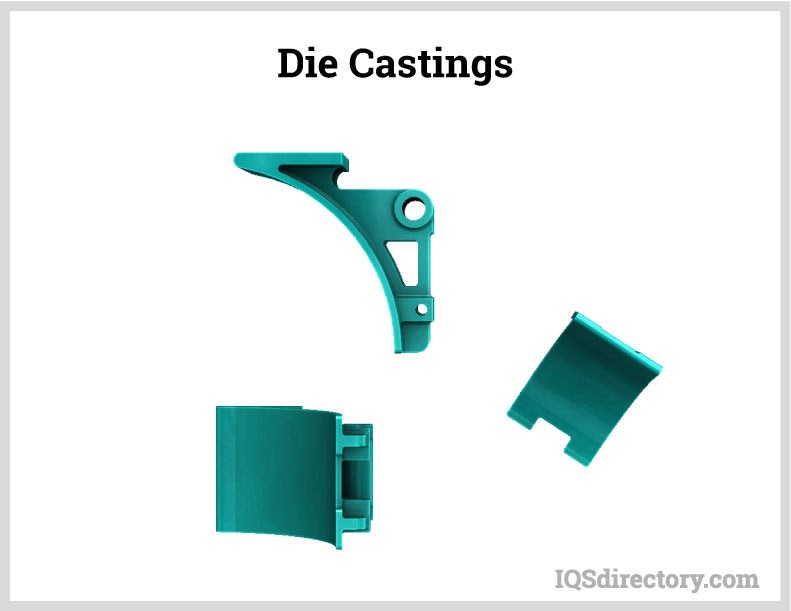
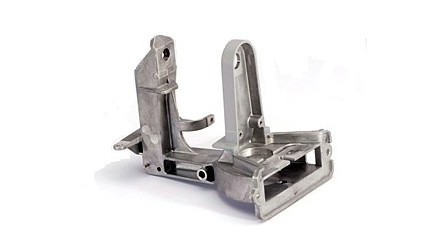 Die Castings
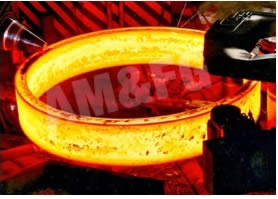 Forgings
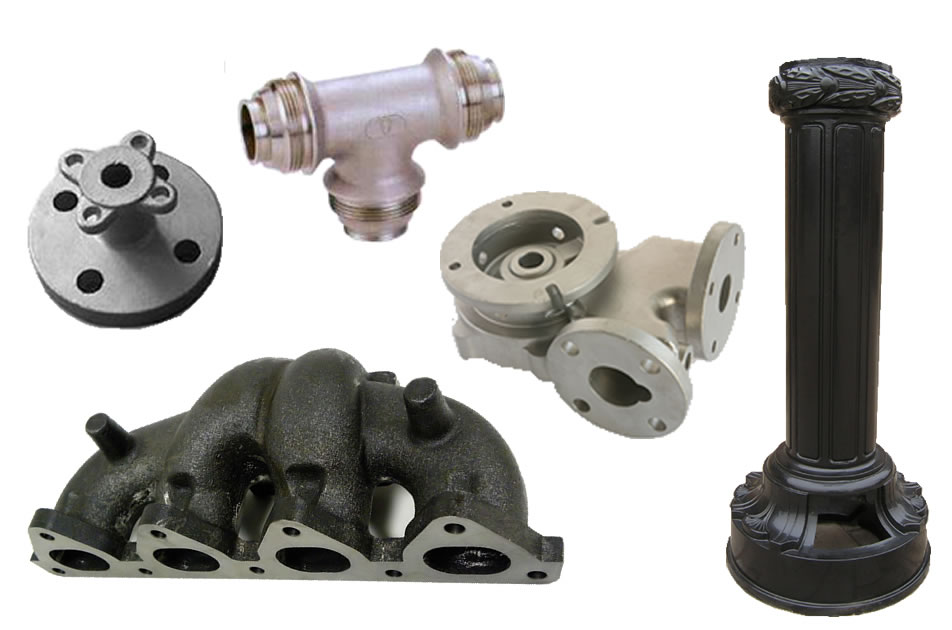 Grey Iron Castings
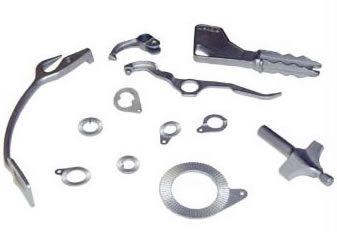 Investment Castings
 Castings & Forgings
 Bulk Material Handling
 Electrical & Electronic Components
 Flow Instrumentation
 Hardware
 Material Handling Equipment
 Metal Cutting Services
 Metal Forming Services
 Metal Suppliers
 Motion Control Products
 Plant & Facility Equipment
 Plant & Facility Supplies
 Plastic Molding Processes
 Pumps & Valves
 Recycling Equipment
 Rubber Products & Services