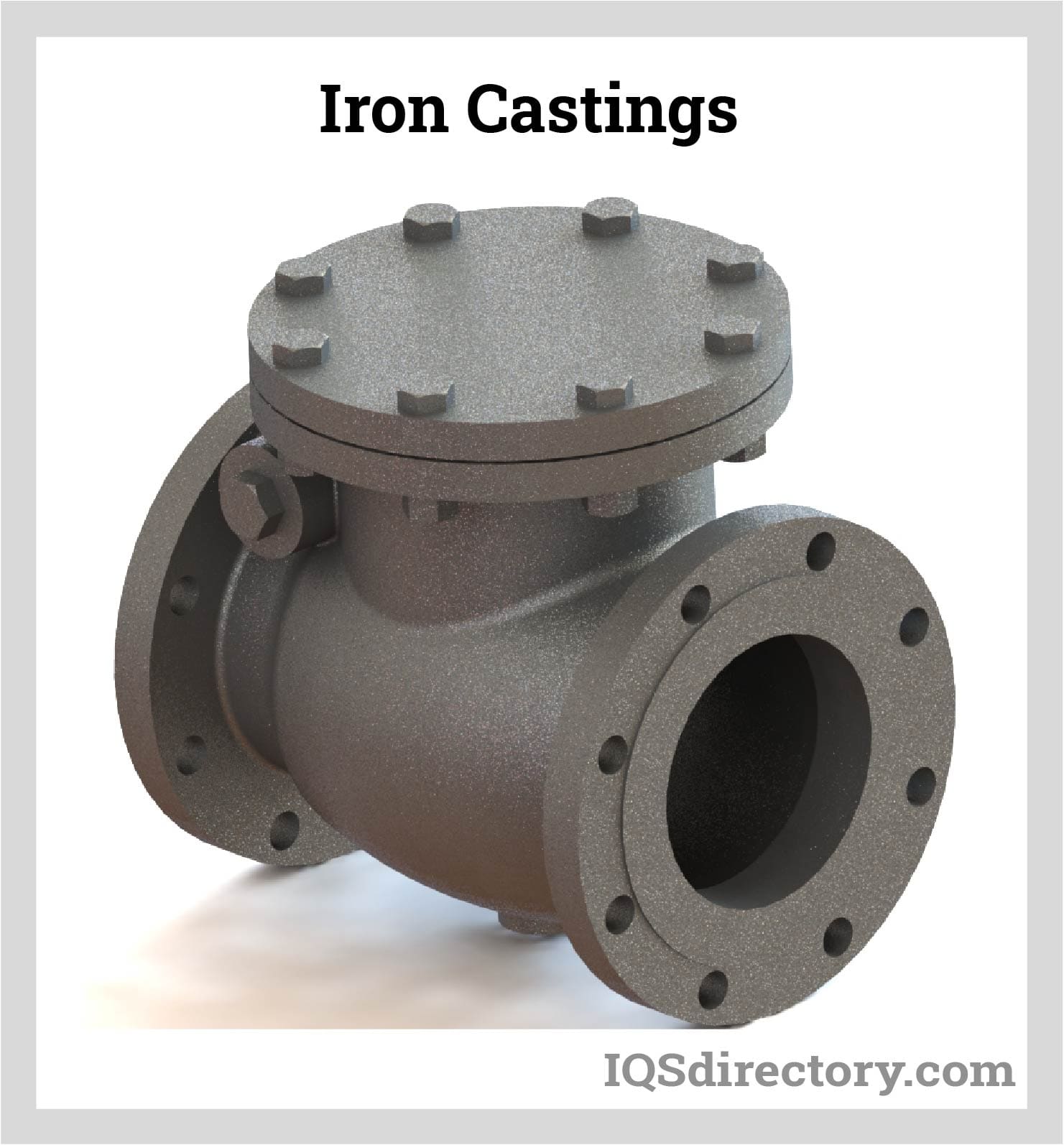
Gray iron is the most common cast iron material and is the most frequently utilized cast material. Read More…
At Hallman Foundry, we specialize in the production of high-quality grey iron castings, bringing precision, consistency, and strength to each component we create. With decades of experience in foundry operations, we understand the unique properties of grey iron and harness our expertise to deliver castings that are both durable and meticulously crafted.

For over a century Lemfco has been a family business and leading manufacturer of high-quality grey iron castings. We pride ourselves on our extensive list of products and patterns available for our customers. Lemfco is committed to creating the best gray iron castings for our customers to fit all of their needs. Our company has changed throughout the years, but our commitment to quality never has.
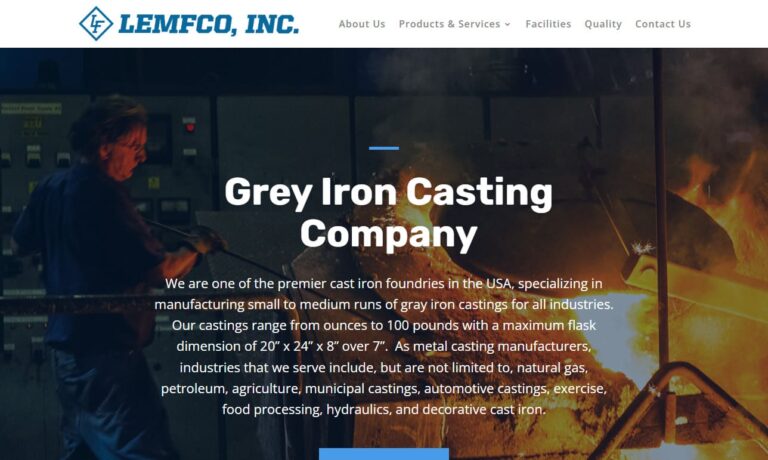
Our gray iron castings are second to none. These high performance items are pre-tested for maximum customer satisfaction. We have a component staff that can easily handle your requests. Turn to Interstate Castings for the best gray iron castings. You will not be upset with the quality of items you receive. We look forward to working with your business. Give us a call today!
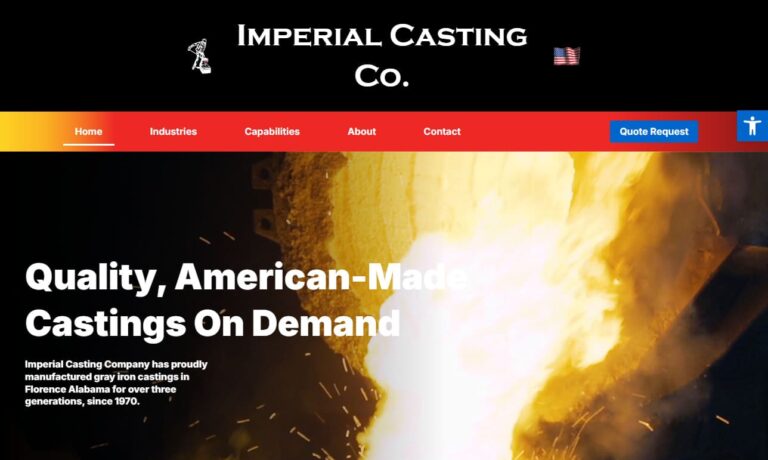
At Hiler Industries, we present ourselves as dedicated manufacturers of grey iron castings engineered to deliver strength, consistency, and long-term reliability for demanding industrial applications. We work with carefully controlled melt processes, high-quality raw materials, and disciplined foundry practices to produce castings that maintain uniform microstructure, predictable mechanical...
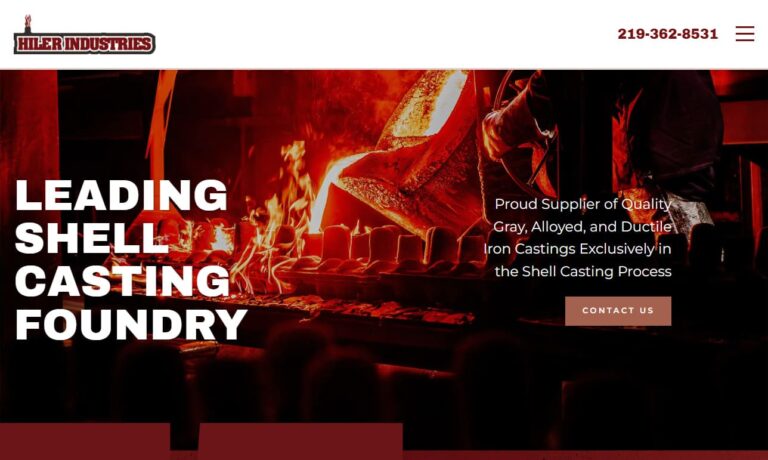
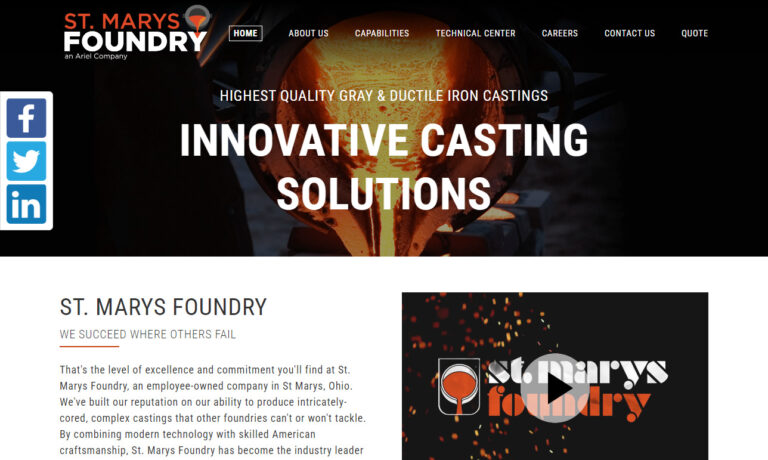
At St. Marys Foundry, Inc., we take immense pride in our longstanding tradition of crafting exceptional grey iron castings. With years of experience under our collective belt, we are renowned for our commitment to quality and precision in the production of these castings. Our products are a testament to our dedication to excellence. We specialize in the creation of grey iron castings that serve a ...



More Gray Iron Casting Companies
Gray Iron Castings: Properties, Applications, and Advantages
Gray iron, the original cast iron, has a storied history and remains a cornerstone material in modern manufacturing. While recent advancements have introduced other iron-carbon alloys with higher tensile strength, gray iron continues to be preferred in numerous industrial and commercial applications due to its unique combination of mechanical properties, cost-effectiveness, and versatility.
What is Gray Iron? Understanding Composition and Structure
Gray iron is a type of cast iron distinguished by the presence of carbon (in the form of graphite flakes) and silicon in its composition. Typically, gray iron consists of 2.5%–4% carbon and 1%–3% silicon, with the balance being iron. The graphite flakes give gray iron its characteristic gray appearance when fractured, hence the name. This structure not only defines its mechanical properties but also its machinability and performance in various end uses.
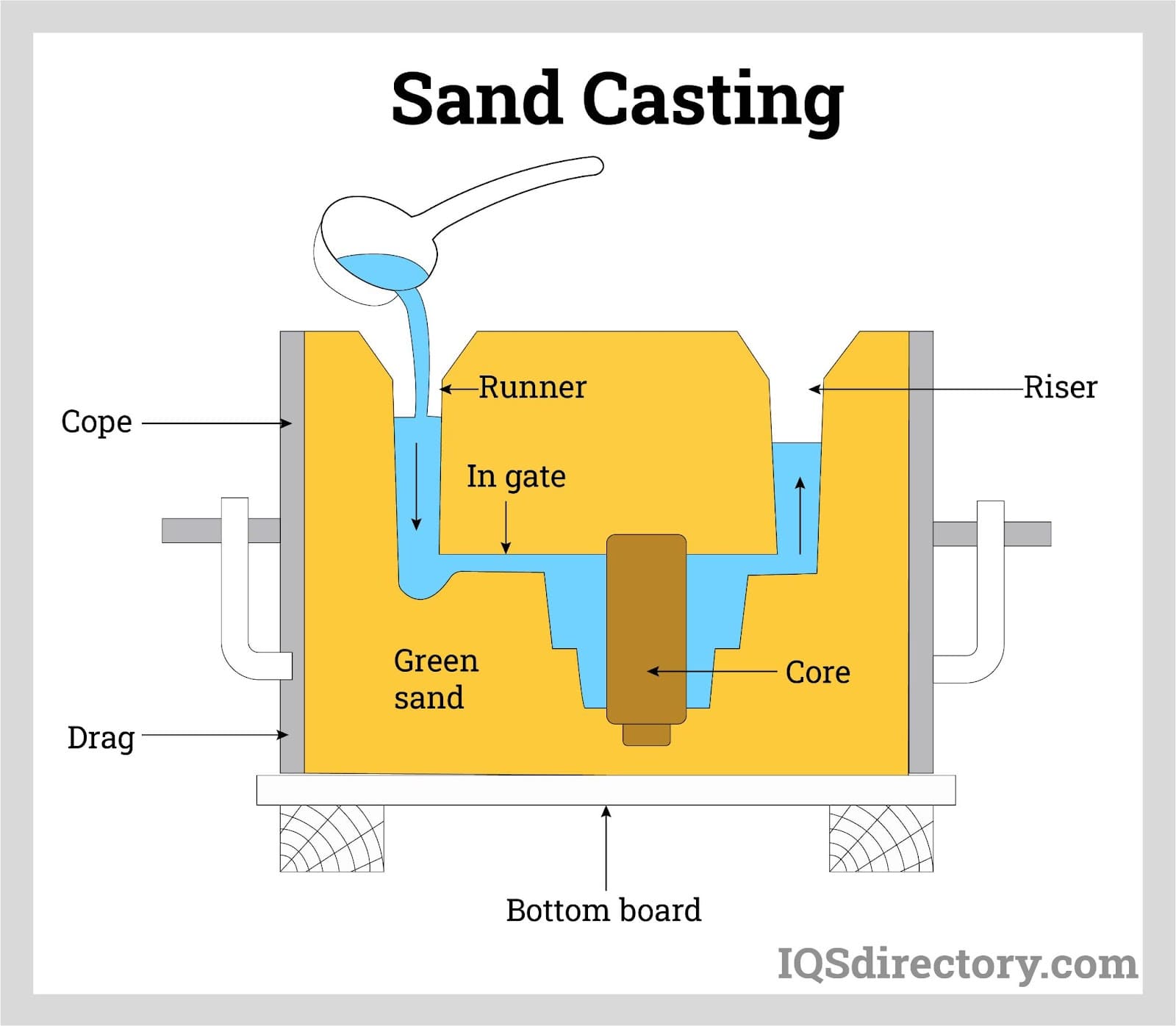
Gray iron is produced using traditional casting methods in which molten metal is poured into a mold and allowed to solidify. Its ability to fill intricate mold shapes and castings with complex geometries makes it a preferred choice for manufacturers seeking both cost savings and design flexibility.
Common Casting Methods for Gray Iron
Several casting processes are employed to produce gray iron castings, each with its advantages and impact on the final product’s properties:
- Green Sand Molding: The most widely used method for gray iron castings, green sand molding offers high productivity and relatively low tooling costs, making it ideal for both small and large production runs.
- Shell Molding: This process uses a resin-coated sand that improves surface finish and dimensional accuracy, suitable for intricate or thin-walled parts.
- Centrifugal Molding: Centrifugal casting techniques are used to produce cylindrical components with high structural integrity and minimal porosity, perfect for pipes and bushings.
- Permanent Mold Casting: For applications requiring repeated, consistent results, permanent mold casting can offer improved mechanical properties and surface finishes.
Key Mechanical and Physical Properties of Gray Iron
The unique microstructure of gray iron—dominated by graphite flakes—results in a combination of important properties that make it suitable for a broad range of uses:
- High Damping Capacity: Gray iron absorbs vibration and noise exceedingly well, making it ideal for engine blocks, machine bases, and other components where vibration dampening is critical.
- Excellent Machinability: The presence of graphite reduces tool wear and allows for easier cutting, drilling, and shaping, lowering overall manufacturing costs.
- Good Wear Resistance: Graphite acts as a natural lubricant, increasing the lifespan of moving components.
- Compressive Strength: While its tensile strength is lower than some modern alloys, gray iron has impressive compressive strength, making it suitable for structural and load-bearing applications.
- Corrosion Resistance: The graphite network helps resist corrosion in many environments, which is beneficial for outdoor and industrial uses.
- Thermal Conductivity: High thermal conductivity ensures efficient heat dissipation, which is crucial in applications like brake rotors and engine heads.
- Cost-Effectiveness: Abundant raw materials, low melting points, and efficient production processes make gray iron one of the most economical choices for casting.
Gray Iron Applications: Where Is It Used?
Thanks to its exceptional balance of properties, gray iron is widely adopted in many industries. Its applications range from heavy-duty industrial machinery to everyday consumer products. Common examples include:
- Automotive Industry: Engine blocks, cylinder heads, brake rotors, and calipers are commonly made from gray iron due to its machinability, durability, and vibration absorption.
- Machinery & Equipment: Machine tool frames, pump housings, gearboxes, and hydraulic components benefit from gray iron’s rigidity and noise-dampening capabilities.
- Agricultural Equipment: Tractor parts, plowshares, and various implements utilize gray iron for its strength and resistance to wear.
- Construction: Manhole covers, pipes, valve bodies, and other infrastructure elements take advantage of gray iron’s compressive strength and corrosion resistance.
- Electrical and Appliance Housings: Electrical junction boxes, stove parts, and other appliance housings are often made from gray iron due to its cost and ease of casting.
- Decorative Applications: Fences, lamp posts, benches, and architectural elements are created from gray iron for its detailed castability and classic appearance.
Are you seeking gray iron castings for your next project? Explore reputable cast iron manufacturers to get custom solutions tailored to your application requirements.
Buyer’s Guide: How to Choose the Right Gray Iron Casting
Choosing the right gray iron casting for your application involves evaluating several key factors. Understanding these decision points will ensure you select castings that deliver reliability, performance, and value:
- Mechanical Requirements: What level of tensile, compressive, and impact strength is needed? Consider the operational stresses and load conditions.
- Dimensional Tolerances & Surface Finish: Does your application require intricate shapes, fine details, or tight tolerances? Shell molding may be preferable for high precision.
- Production Volume: For large-scale production, green sand molding offers cost efficiencies, while permanent mold casting may be better for repeatability.
- Operating Environment: Will the casting be exposed to corrosive elements, high temperatures, or vibration? Gray iron’s corrosion and wear resistance may be critical.
- Machinability: If secondary machining is required, gray iron’s graphite structure reduces tool wear and production time.
- Budget Constraints: Gray iron is often chosen for its low cost, but balancing price with performance is essential for optimal results.
Not sure which casting method or alloy is best for your needs? Compare gray iron to ductile iron and other cast iron types to make an informed decision. Contact an expert for a tailored consultation.
Benefits of Gray Iron Castings
Gray iron offers a host of advantages that contribute to its enduring popularity in global manufacturing:
- Economic Efficiency: Low material and production costs support high-volume manufacturing and cost-effective prototyping.
- Ease of Casting and Machining: Complex shapes and features can be cast with minimal post-processing, reducing labor and lead time.
- Superior Vibration Damping: Reduces operational noise and extends equipment life.
- Consistent Quality: Well-established manufacturing standards ensure reliable, repeatable results for critical components.
- Design Versatility: Suitable for both simple and highly detailed products, from industrial components to decorative pieces.
- Environmental Benefits: Gray iron production often incorporates recycled scrap, supporting sustainable manufacturing practices.
Gray Iron vs. Other Cast Irons: Key Differences
When evaluating cast iron materials, buyers often compare gray iron to alternatives such as ductile iron (also known as nodular or spheroidal graphite iron) and white iron. Each has distinct characteristics:
- Gray Iron: Graphite flakes provide excellent machinability, vibration damping, and wear resistance, but with lower tensile strength and ductility.
- Ductile Iron: Graphite forms as nodules, greatly improving ductility and impact resistance while retaining good machinability and strength. Used where higher toughness is required.
- White Iron: Lacks free graphite, resulting in high hardness and abrasion resistance, but is brittle and difficult to machine. Ideal for wear-resistant surfaces.
Curious which cast iron type is best for your application? Explore our resources on ductile iron vs. gray iron or learn more about ductile iron castings here.
Frequently Asked Questions about Gray Iron Castings
What are the most common uses for gray iron castings?
Gray iron is extensively used in applications like engine blocks, brake components, pump housings, and machine tool frames due to its excellent vibration damping, cost-effectiveness, and castability.
Can gray iron be welded or repaired?
Welding gray iron is possible but requires specialized techniques due to its high carbon content and brittleness. Most repairs are performed using brazing or metal stitching. For critical repairs, consult a gray iron casting specialist.
How does cooling rate affect gray iron properties?
The cooling rate during casting significantly influences the size and distribution of graphite flakes, thus affecting hardness, strength, and machinability. Faster cooling yields finer graphite and better mechanical properties, while slower cooling emphasizes machinability and vibration damping.
Is gray iron environmentally friendly?
Gray iron foundries often use recycled scrap iron in the melt, reducing environmental impact. Additionally, the long service life and recyclability of gray iron components contribute to sustainable manufacturing.
What quality standards exist for gray iron castings?
Gray iron is typically produced to internationally recognized standards such as ASTM A48 or ISO 185, which specify mechanical properties and chemical composition for different grades. Always verify that your supplier adheres to these standards for quality assurance.
How to Order Custom Gray Iron Castings
Ready to source custom gray iron castings for your project? Follow these steps to ensure you get the best results:
- Define Application Requirements: Detail your dimensional, mechanical, and environmental needs.
- Select the Right Casting Process: Match your requirements to the most appropriate molding method for optimal performance and cost.
- Choose a Qualified Foundry: Work with experienced gray iron casting manufacturers who demonstrate quality, reliability, and adherence to industry standards.
- Request Prototyping or Sampling: Order initial samples to validate dimensions, surface finish, and performance before committing to full production.
- Review and Approve Production: Ensure all specifications and tolerances are met before approving large-scale manufacturing.
For expert guidance and a custom quote, contact our team today and start your gray iron casting project with confidence.
Industry Trends: The Future of Gray Iron Castings
Despite evolving materials technology, gray iron continues to play an important role in manufacturing. Recent trends include:
- Enhanced Alloy Design: Advances in metallurgy have produced new gray iron grades with improved mechanical properties and wear resistance, expanding the range of viable applications.
- Automation & Digital Foundries: The rise of Industry 4.0 and computer-aided manufacturing (CAM) is making gray iron production more efficient, consistent, and sustainable.
- Sustainability Initiatives: Modern foundries are adopting cleaner melting technologies, recycling, and energy-efficient practices to reduce their environmental footprint.
- Customization & Rapid Prototyping: Additive manufacturing and flexible tooling allow for faster, more cost-effective production of custom gray iron parts.
Wondering how gray iron fits into your next product or infrastructure solution? Explore case studies, technical resources, and design guides to learn more, or request an application assessment for your business.
Conclusion: Is Gray Iron Right for Your Next Project?
Gray iron castings offer a time-tested blend of performance, economy, and versatility that make them a logical choice for countless industrial and commercial applications. Whether you’re designing automotive components, machine bases, or architectural features, gray iron provides dependable machinability, vibration damping, and cost advantages. By understanding the properties, processes, and decision factors involved, you can confidently specify gray iron castings that align with your project’s unique requirements.
Ready to take the next step? Find a trusted gray iron casting supplier or request engineering support to ensure success on your next casting project.
If you have further questions about gray iron castings, cast iron foundries, or custom casting solutions, explore our resource library or contact our experts directly for personalized assistance.
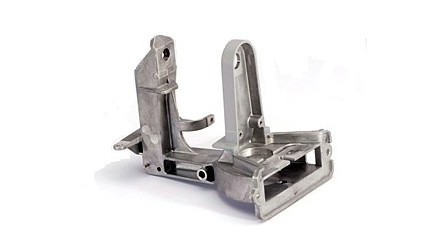 Die Castings
 Forgings
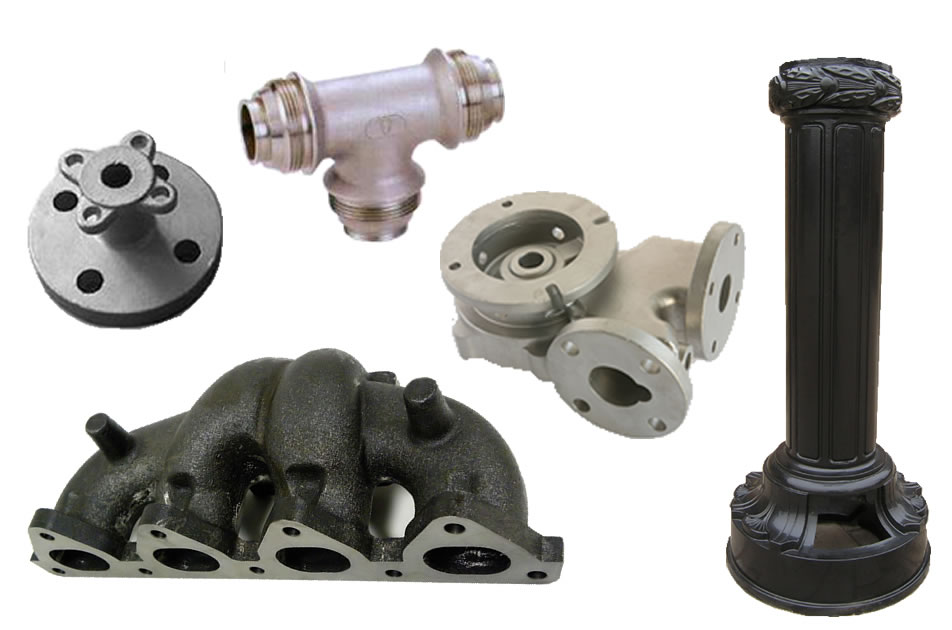 Grey Iron Castings
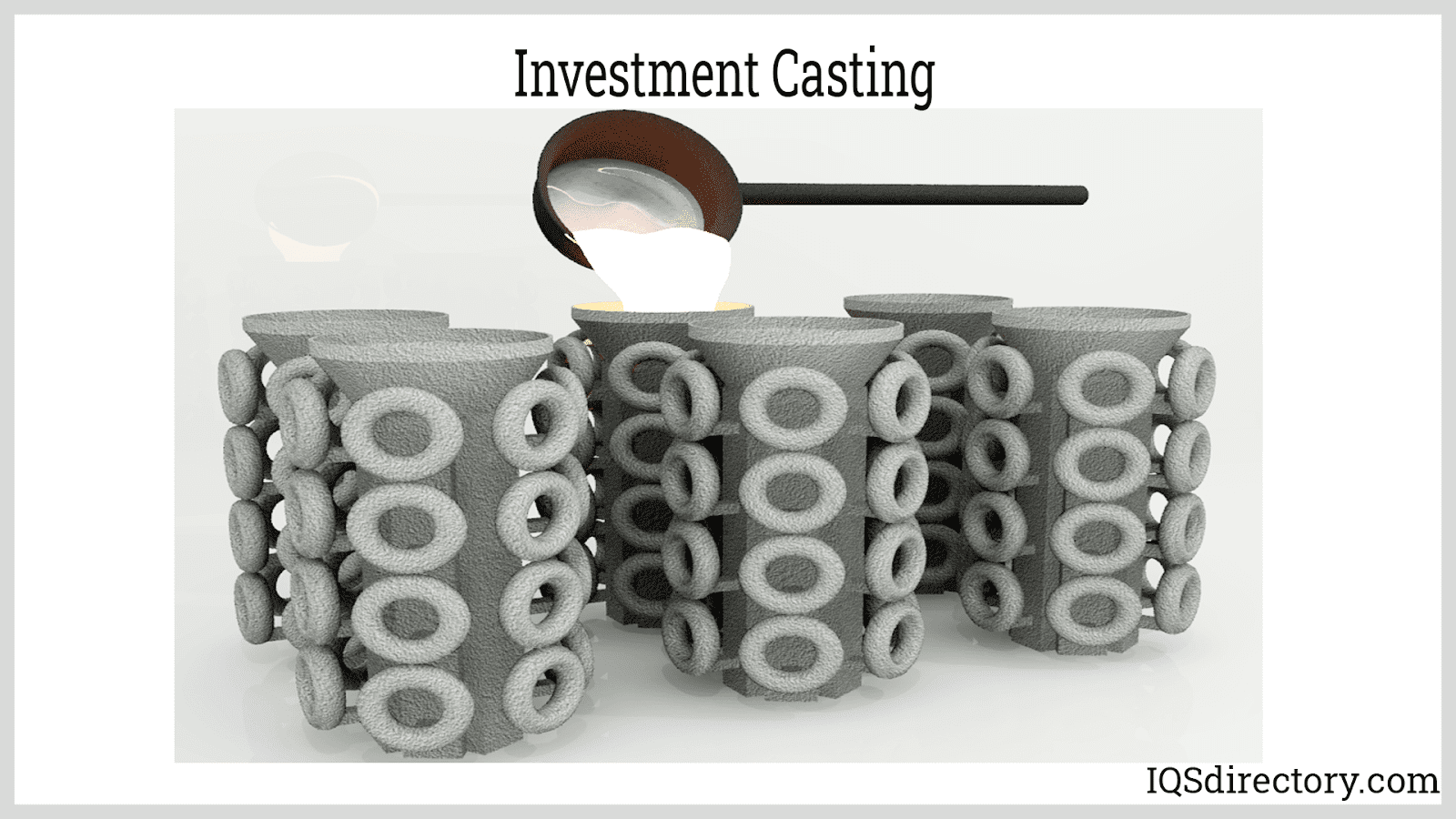
 Investment Castings
 Castings & Forgings
 Bulk Material Handling
 Electrical & Electronic Components
 Flow Instrumentation
 Hardware
 Material Handling Equipment
 Metal Cutting Services
 Metal Forming Services
 Metal Suppliers
 Motion Control Products
 Plant & Facility Equipment
 Plant & Facility Supplies
 Plastic Molding Processes
 Pumps & Valves
 Recycling Equipment
 Rubber Products & Services